


This initial cost approximation allows for flexibility and can be adjusted as the project specifics become more definitive. For instance, with a plumbing estimating app, you can generate a tentative figure to fix a leaking pipe. However, this projected number could change if unforeseen complications arise during the repair process. An estimate serves as an initial financial guide rather than a final price. Initially, to create an estimate or job site quote, the online estimate creator is open and free to use. Later, for saving and sharing the estimate, it is required to register with our online estimation software.
How to Convert an Estimate to an Invoice: A Simple Guide for Small Businesses
Remember, your payment terms can be flexible based on the project or client relationship. However, they should always keep cash flowing into your business steadily. Finally, it’s imperative to review your estimates before sending them to your clients. This way, you can avoid any errors that could mislead or confuse them. A well-crafted estimate not only communicates professionalism but also sets the tone for the entire project. To make a good estimate, list expected costs, timelines, and project details.
How to create an invoice vs. estimate
Adding early payment discounts can encourage clients to pay on time. Using accounting software makes invoicing easier and helps track payments. Furthermore, invoices are a key component in ensuring compliance with tax regulations. In many jurisdictions, businesses are required to issue invoices for all sales of goods and services in order to properly calculate and remit sales tax, VAT, or other applicable taxes. Invoices provide a clear record of taxable transactions, which is essential for preparing accurate tax returns and ensuring that the business remains in good standing with tax authorities. A lack of detailed invoicing can lead to discrepancies in tax reporting, which could result in fines, penalties, or audits.
Invoice Vs Estimate: What is the Difference?
A job estimate provides your customer with a projected cost for a project or service. It gives a clear idea of what they can expect to pay, helping them decide whether to move forward. Estimates are not legally binding, but are a useful way to set expectations before work begins. Bonsai has one of the top invoicing tools that will enable you to send personalized invoices to your clients.
- An invoice, on the other hand, is a formal request for payment, reflecting the actual amount due after the service has been provided or goods delivered.
- Seal the deal and turn your estimate into an invoice with a click—no copy-pasting required.
- Everything is designed to make your documents stand out from the crowd and impress.
- In addition to clear descriptions, businesses must communicate any potential variables that could affect the final price.
- A professional business estimate is not a binding agreement, allowing the buyer to opt-out and request changes at any time.
- It keeps track of when a product is sold or a project is completed, as well as the total amount of income earned.
- Email is the most frequently used and fastest way of sending an invoice to someone.
- It is the mechanism by which customers make the decision of working with you and committing to an engagement.
- View a full feature breakdown of how Project 2 Payment compares with other CRM software here.
- Once an estimate is accepted by the customer, you’ll need to convert the estimate to an invoice so the customer can pay.
- Get paid on time when you accept your customers’ preferred method.
Reference the original estimate number, update the document type and numbering, add completion/delivery details, and change payment terms from ‘upon acceptance’ to your standard payment terms. For complex proposals requiring significant time, consider charging a consultation fee that’s credited toward the final invoice if they hire you. After creating estimates and invoices, you can distribute them electronically, in person, Bookkeeping 101 or via mail. The amount you estimate a project will cost is subject to change. An estimate is an approximate amount of money that doesn’t account for unforeseen expenses.
See the big picture with business reports
They help you communicate with clients, set expectations, and get paid for your work. The definition of an estimate includes the expected cost, project details, and terms. These are rough figures that can change due to unexpected costs or project scope changes. About 60% of clients want an estimate before starting a project, showing its importance. Invoices are indispensable for reinforcing accountability and maintaining a verifiable record of financial assets = liabilities + equity transactions. Each invoice issued includes critical information such as the description of goods or services rendered, itemized charges, applicable taxes, payment deadlines, and accepted methods of payment.
Choose Moon Invoice. Get paid faster.

By receiving an estimate, clients are able to review the projected costs and ensure that they are aligned with their budget. If the estimate meets their expectations, they can approve it and proceed with the project. If there are concerns about cost or other aspects of the proposed project, the client may request revisions to the estimate before moving forward. This process of approval helps set clear expectations on both sides and reduces the likelihood of disputes once the work begins. Similarly, for service-based industries like consulting or marketing, an estimate outlines the expected time frame and costs based on the nature of the services provided.
- It includes the due date, cost, line items, and other details, that a business sends and helps create a cash flow in a timely manner.
- If you choose to accept payments online from clients, you can take credit cards or bank transfers.
- An estimate serves as an initial financial guide rather than a final price.
- This eliminates unnecessary office visits and speeds up the entire process.
- Start by ensuring that every estimate meets the specific needs of each client.
- A well-prepared estimate shows clients that the business has carefully considered all aspects of the project and is equipped to handle it efficiently.
US Based & Veteran Owned Company
MyInvoices lets you view unpaid and past due invoices at a glance, charge interest to overdue invoices, send collection letters, and quickly review billing history. An invoice is a bill that reflects the total amount due for services or products provided. This document serves as a demand for payment, triggering the payment process. Invoices include specific information like the date of service, detailed charges, and more, which are crucial for financial records. To keep estimates and invoices right, check project details and costs often. Use good accounting software and talk with clients about any changes or updates.

For my business, one of the headaches was estimate vs invoice managing both stocks and expenses. Luckily, I switched to Moon Invoice and found the hassles of stock and expense management getting faded. Explore our guide to discover how credit invoices can simplify your business transactions and improve financial accuracy. With a single click of a button, Moon Invoice also converts estimates into invoices. We already know what estimates mean and how they help small businesses. Estimates are normally provided to help customers make informed decisions, and to help your business understand the details of an upcoming project or mandate.
Estimate vs. Invoice: What’s the Difference?
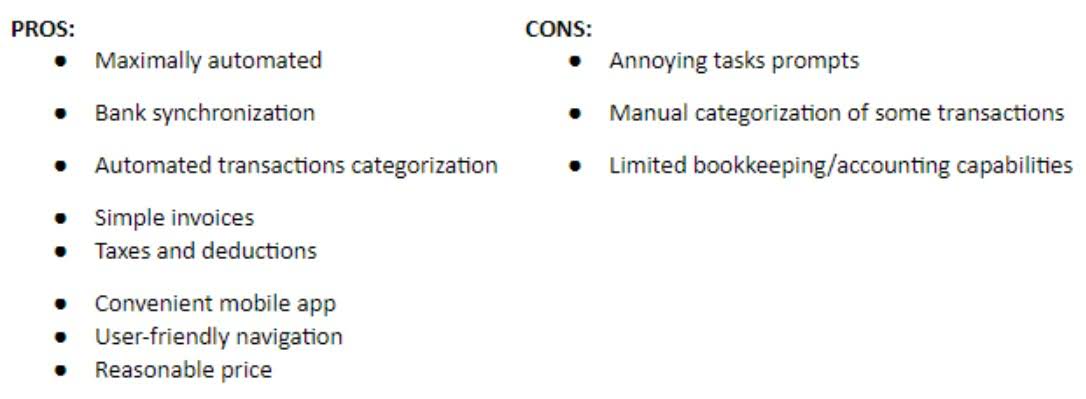
It offers an intuitive interface, making it easy to generate estimates, track jobs, and send invoices—all while on the go. However, its features may not be robust enough for larger businesses handling complex commercial projects. Estimates are essential when businesses need to provide clients with a price before starting a project. Estimates help clarify costs upfront, allowing both parties to agree on pricing before work commences.
